Frequently Asked Questions
Who needs GCAA 4.1.L training?
Personnel working under supervision for the handling and storage of baggage, cargo or mail at an airport or in a warehouse, including loading and unloading ULDs and aircraft cargo compartments. In practice: porters, loaders, equipment operators, workers and drivers.
How long is the 4.1.L course?
Initial training runs 3 hours, the shortest course in the GCAA 4.1 range. It can be delivered at the DGR Aviation training centre in Port Saeed, Dubai, or in-house at a cargo terminal or ramp facility, which suits teams working in shifts.
What is the difference between 4.1.L and 4.1.E?
4.1.L is for staff working under supervision, and gives them the awareness needed to work safely around dangerous goods and to escalate correctly. 4.1.E is for staff responsible for the handling and storage function itself, and runs 2 days with a much wider syllabus.
Does a 3-hour course really satisfy the requirement?
Yes, for this function. Training length under the GCAA 4.1 framework is set by what the job requires. Staff working under supervision need to recognise dangerous goods packages, handle them safely and know when to stop and call a supervisor, which is a narrower scope than a decision-making role.
Can this course be run in local languages for ramp teams?
Language support for operational teams varies by session. Raise your workforce’s language requirements with DGR Aviation at the enquiry stage so delivery can be planned appropriately.
Do drivers and equipment operators really need this?
Yes, where they handle or move baggage, cargo or mail. Damage caused by handling equipment is a recognised source of dangerous goods leaks and incidents on the ramp, and the personnel operating that equipment are named in the function description for this category.
How long is the certificate valid?
All dangerous goods training certifications are valid for two years. For large ramp and warehouse workforces, a rolling in-house schedule is usually easier to manage than individual expiry tracking.
Can you train a full shift in one session?
In-house delivery is designed for exactly this. Contact DGR Aviation on +971 4 267 6745 or +971 56 534 9234, or at info@dgraviation.com, with your shift pattern and headcount, and the team will build a schedule around it.
What is the difference between training and coaching in your programmes?
Training programmes are group sessions built around a defined topic and outcome, delivered as a keynote or workshop. Coaching programmes are longer, individual or small-group engagements such as executive coaching or life chart mapping, which work on a person’s specific goals over time.
Do you offer team wellness and offsite programmes?
Yes. Team bonding activities, henna art therapy, transformational women’s retreats and youth empowerment bootcamps are available for organisations looking for wellness and engagement formats rather than classroom training.
How do we book soft skills training in Dubai?
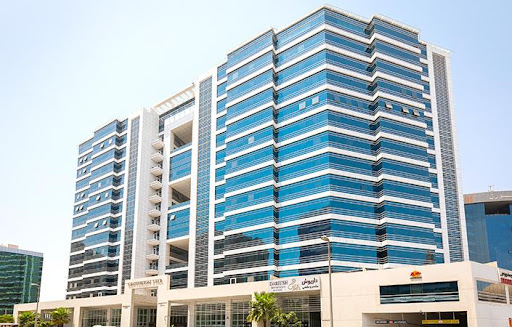
Complete the enquiry form on the soft skills page, or contact DGR Aviation on +971 4 267 6745 or +971 56 534 9234, or at info@dgraviation.com. The centre is at Office 906, Block A, Centurion Star Tower, opposite Deira City Centre, Port Saeed, Dubai.