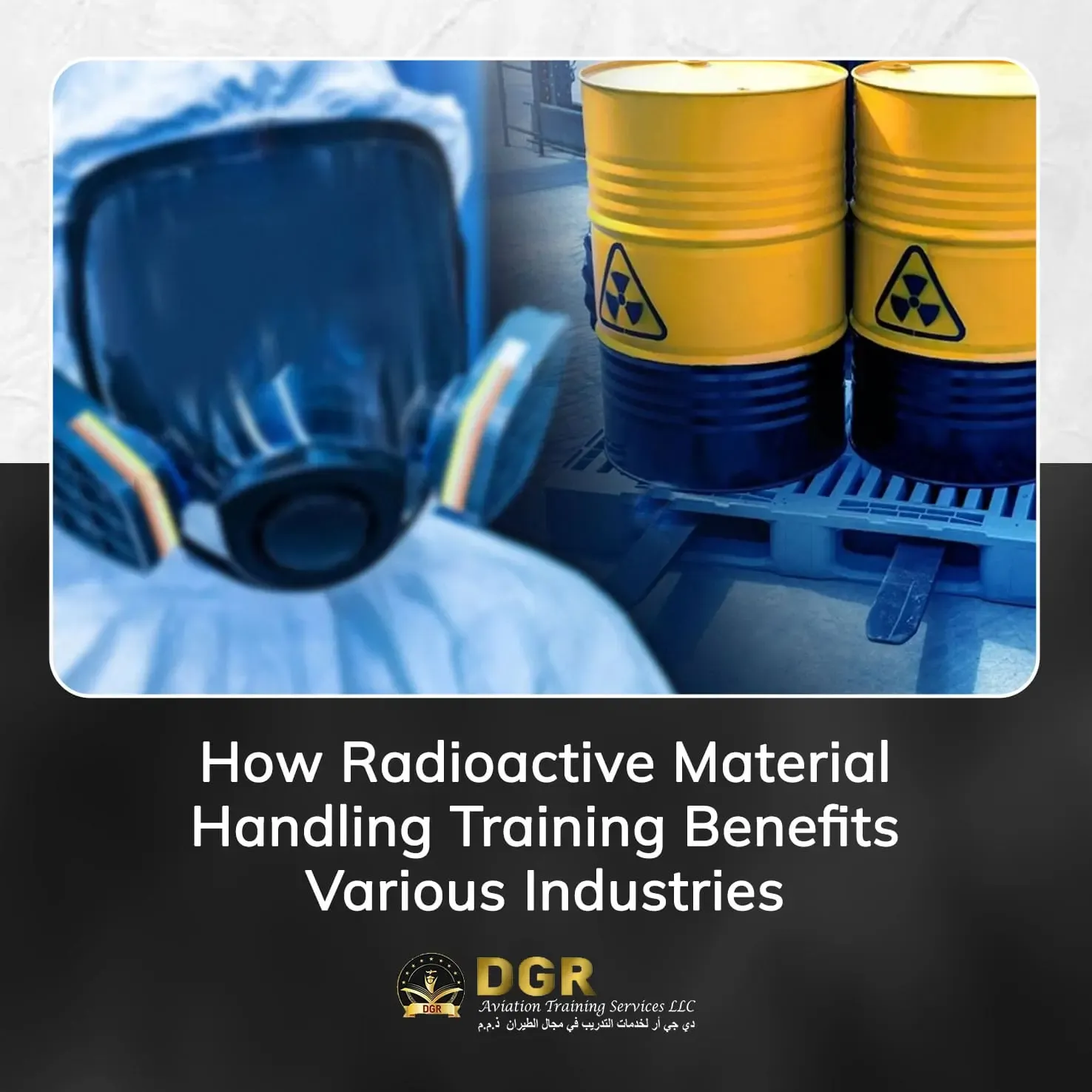
The transfer of radioactive materials between locations requires stringent packaging, labeling, and shipping standards to protect human health and the environment. From nuclear medicine to power plant supplies, the safe logistics of these substances are critical and rely upon specialized radioactive material handling training.
Regulatory Compliance
International standards for the transport of dangerous goods set the rules for radioactive material shipments. Groups like the IAEA and ICAO regulate packaging, design certification, and hazard communication needs. Shippers must comply fully with applicable regulations from countries of origin, transit, and destination. This is where radioactive material shipping training proves valuable for maintaining regulatory compliance.
Packaging Design & Testing
Regulations specify rigorous packaging testing to minimize radiation and contamination risks. Designs undergo vibration, puncture, water immersion, and stacking load performance evaluations. Multiple independent barriers, including an inner transport vessel and outer shipping package, contain contents. Impact-absorbing material cushion boxes. Regular maintenance and re-certification, usually through radioactive material handling training, keep containers in good working order.
Labeling Practices
Multiple labels on the outside and documents like consignment notes inside provide critical safety guidance. Trefoil symbols clearly mark packages as radioactive while supplementary signs note UN Class 7 with basic radiation level details. Labels list 24/7 emergency response numbers for response agencies and medical experts. Precise information empowers first responders during radiological emergencies.
Activity Level & Transport Mode
The amount and type of radioactive isotope and its intended medical, industrial or research purpose determines shipment activity limits. Low-level diagnostic isotopes may travel by road or air while higher-activity transports require armored trailers and rail shipments. Multi-modal options exist based on risk assessments and destination requirements.
Crew Training
Drivers ferrying radioactive cargo undergo detailed hazardous materials training to understand safety handling, emergency procedures, and regulatory obligations. Transport practices safeguard their health through ALARA (As Low As Reasonably Achievable) principles. Emergency exercises enhance preparedness to limit radiation exposure in potential accident scenarios.
With care and diligence in packaging design, rigorous equipment testing, proper labeling communication, and radioactive material shipping training, transporting radiological substances can be accomplished without undue risk. Regulatory adherence and safety training help guarantee radioactive materials arrive securely where needed most.