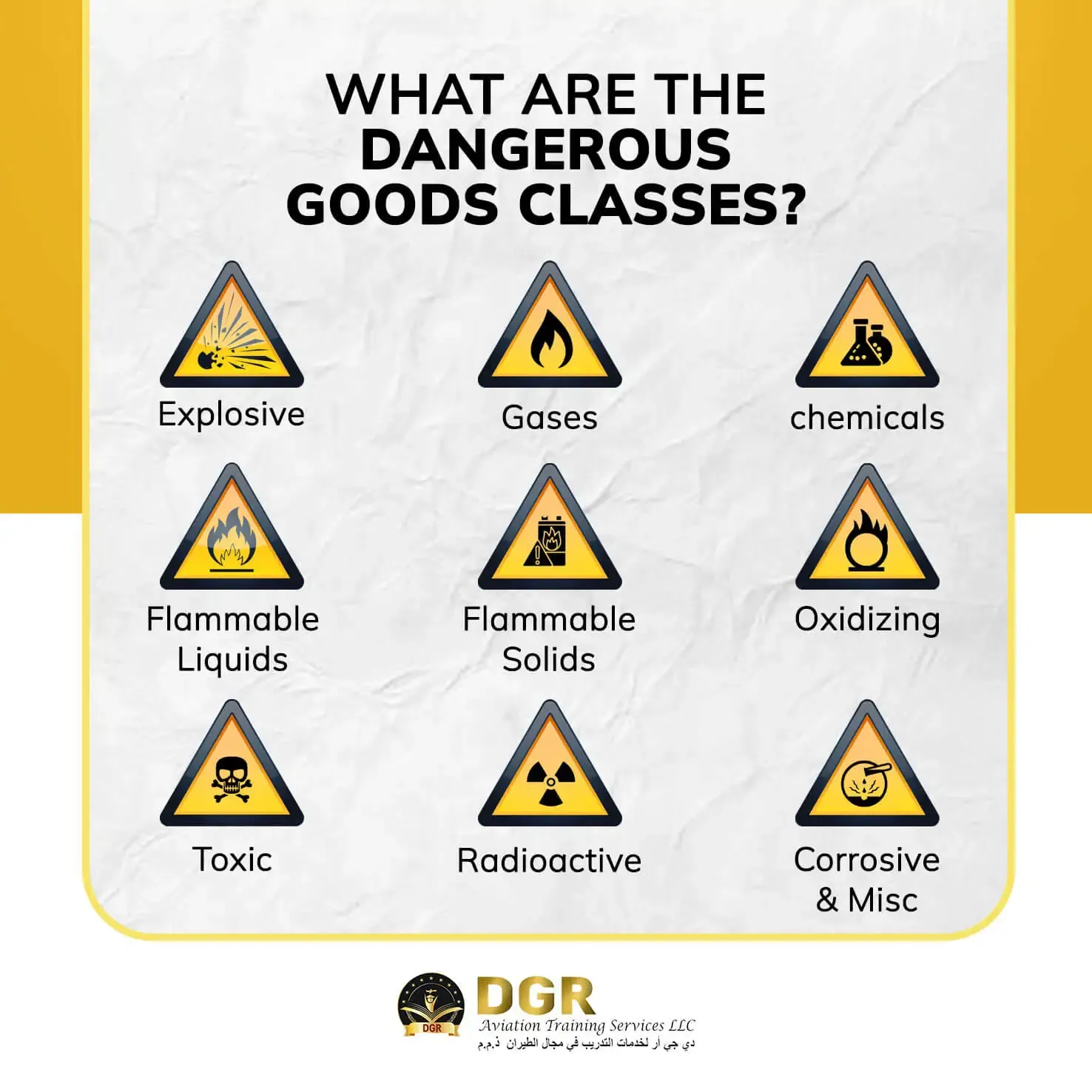
Dangerous goods are items or substances that have the potential to cause harm to people, property, or the environment if not handled correctly during transportation or storage. It is advised to be handled by those who undertook certified hazardous materials handling training. They are classified based on their potential danger and the level of risk they pose to human life, animals, and the environment. There are nine dangerous goods classes, each with its own unique set of characteristics, hazards, and precautions. These classes include:
Explosives (Class 1)
Explosives are materials or objects that, when subjected to an ignition source or friction, can explode or rapidly release gas and heat. Fireworks, ammo, and flares are a few examples.
Gases (Class 2)
Gases are compressed, liquefied, or dissolved under pressure and can pose a significant threat if not handled properly. Examples include propane, butane, and acetylene.
Flammable Liquids (Class 3)
Liquids that easily ignite when exposed to a source of ignition are referred to as flammable materials. Examples include alcohol, petrol, and diesel fuel.
Flammable Solids (Class 4)
Flammable solids are substances that can ignite easily and burn rapidly. Examples include matches, fireworks, and some chemicals.
Oxidizing Substances and Organic Peroxides (Class 5)
Oxidizing substances and organic peroxides are materials that can increase the intensity of a fire and can cause it to spread rapidly. Examples include hydrogen peroxide and sodium chlorate.
Toxic and Infectious Substances (Class 6)
Toxic and infectious substances are substances that can cause severe harm to living organisms, including humans and animals. Examples include chemicals, pesticides, and medical waste.
Radioactive Materials (Class 7)
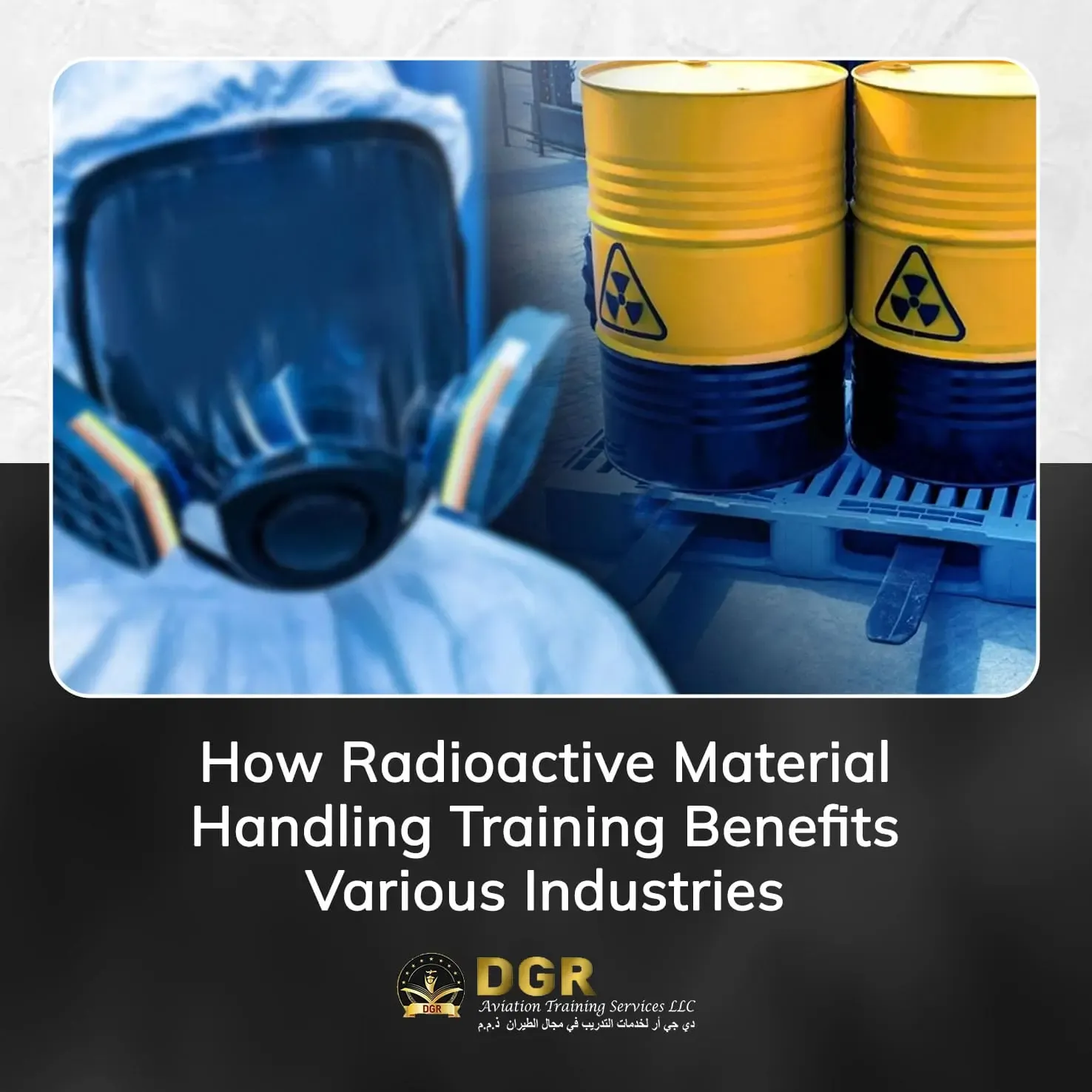
Radioactive materials are substances that emit ionizing radiation and can cause significant harm to living organisms. Examples include nuclear fuel and medical isotopes.
Corrosive Substances (Class 8)
Corrosive substances are materials that can dissolve organic tissues and cause severe chemical burns. Examples include acids and alkalis.
Miscellaneous Dangerous Goods (Class 9)
Miscellaneous dangerous goods are substances or items that pose a danger during transportation but do not fit into the other eight classes. Examples include lithium batteries and dry ice.
Anyone involved in the handling, storage, or transportation of these substances must be aware of the different dangerous goods classes. Through this knowledge, accidents can be avoided, damage can be reduced, and both the environment and human life can be protected.
For instance, it is essential to mark and package dangerous commodities properly when transporting them, adhering to the rules established by the International Maritime Organisation (IMO) and the International Air Transport Association (IATA). This makes sure that in the event of an accident, emergency personnel are prepared and informed of any potential risks. Additionally, when handling dangerous goods, it’s critical to follow the right handling protocols, which include donning safety gear and using the right tools and equipment. If you don’t, you risk suffering severe injuries or possibly losing your life.
The dangerous goods classes are a critical tool for understanding the potential hazards of different substances and materials. Following the regulations and guidelines set forth by the IMO and IATA, we can ensure that dangerous goods are transported, stored, and handled safely, protecting human life and the environment from harm. DGR Aviation provides certified IATA dangerous goods training to ensure a well-trained team at handling hazardous goods!